Top 10 NFT Marketplaces In 2026


Several years ago, folks couldn’t cease speaking about NFTs. At this point, the crash occurred. Trading volumes declined, speculation died out, and plenty said it was dead. They were wrong. NFTs didn’t disappear. They evolved.
The past few years have seen NFTs gaining traction in gaming assets, online personas, collectibles, music licenses, AI-generated artwork, and real-world assets. This is also a chance for NFT marketplaces to stop solely depending on the hype. They’re racing to be the most liquid, multi-chain, creator-friendly, and community-focused options.
Those that have withstood the recession are more robust, more focused, and more geared toward utility than they were before.
The following are the top 10 marketplaces for NFTs for 2026.
OpenSea
Talking about NFTs, you simply cannot ignore OpenSea.

Despite the intense competition in recent years, OpenSea is still one of the biggest NFT marketplaces in the world. It is a platform for digital art, collectibles, games, virtual land, and more, and supports more than 20 blockchains.
Its width is what it has to offer.
Whether you’re looking to find profile pictures to add to your profile, game assets, or even digital art, you will find everything you’ll need on OpenSea. It has also stepped up its creator tooling and multi-chain capabilities to retain users in a fast-growing space.
OpenSea is one of the most intuitive marketplaces for newcomers to the NFT market.
Blur
Whereas OpenSea is made for all, Blur is for traders.
The marketplace based on the Ethereum network came to be recognized for its real-time analytics, bulk buying, zero fees on the marketplace, and professional trading instruments. It was an instant hit with active traders seeking speed and efficiency.
While some firms have already launched their own platforms, Blur remains a major player in NFT trading volume in 2026. Recent data from CoinGecko shows that the platform is still the largest in terms of volume, accounting for over 50% of the market share in the NFT marketplace industry at various times in recent years.
Blur more resembles a trading terminal than an art gallery. That’s why many professional NFT traders are fond of it.
Magic Eden
It started with an NFT platform on the Solana ecosystem called Magic Eden. Magic Eden was at first a Solana NFT exchange.
Nowadays it’s much larger.
The platform has now expanded to various blockchains and has become one of the main gaming hubs for NFTs, collectibles, and creator communities. It has been particularly powerful in the Solana ecosystem since then, also luring along Ethereum and other chain users.
It has kept it relevant in a rapidly changing NFT market focused on gaming. For many, Magic Eden is no longer just an NFT marketplace. It is an ecosystem.
Tensor
Tensor is one of the fastest-growing NFT platforms on Solana.
The platform emphasizes the advanced trading tools, including portfolio analytics, live order books, and quick trade execution. The ability to pull data from sensors and make trading decisions accordingly is why many traders consider Tensor to be the Solana alternative to Blur.
This is part and parcel of the NFT phenomenon. While collectors remain important, traders are looking for more advanced infrastructure. Tensor is providing them just that.
Rarible
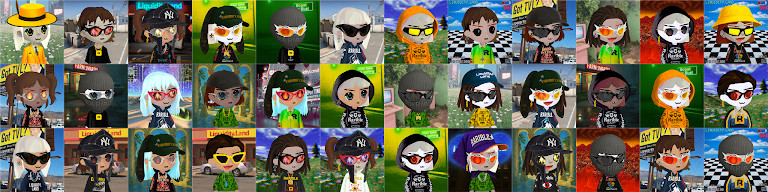
Rarible has a different game plan.
The market isn’t just about the number of transactions, it’s about fostering a sense of ownership and empowerment among creators.
The platform enables users to create their own marketplaces, mint NFTs across several chains, and interact closely with their audience. The user’s role is also reflected in the governance structure, allowing them to participate in the development of the ecosystem.
This community-first approach has enabled Rarible to sustain its user base across various market cycles.
SuperRare
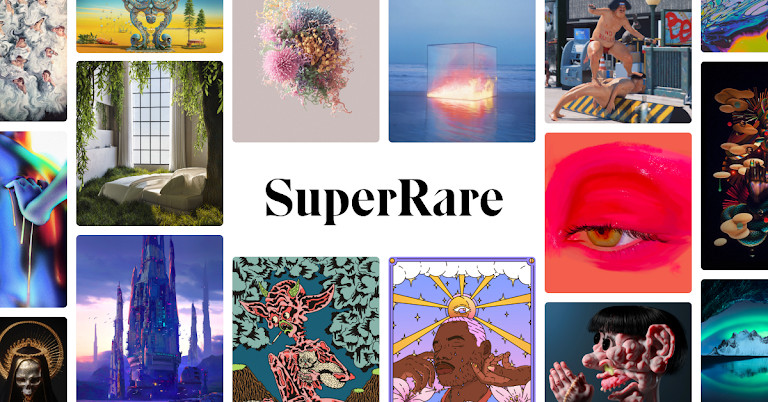
Not every NFT marketplace is attempting to be all things to all people. SuperRare’s almost sole emphasis is on high-end digital art.
The platform is highly curated, with creators having to adhere to certain standards before listing their content. This exclusivity has made SuperRare a high-end collector’s hot spot for collectors interested in purchasing one-of-one artworks and items that are hard to find.
SuperRare may not be as large as its competitors, but it has established a reputation for prestige in the digital art community.
Zora
In recent times, Zora has been one of the most innovative NFT platforms.
In contrast to a conventional market, Zora aims to create an open protocol that allows creators to start collections, mint content, and monetise secondary market sales.
The platform is especially popular amongst creators exploring the realms of social media, music, and creator economies. There are a lot of people out there who view Zora as a marketplace and a creation platform.
Unlike traditional NFT platforms, its open architecture allows creators to have greater flexibility.
Objkt
Objkt is the top marketplace on the Tezos blockchain.
It has established itself as a trusted platform for affordable NFT minting, reduced transaction fees, and a thriving digital art community. The people behind Tezos are attracted to Objkt’s eco-friendly image and loyal community of collectors.
But this is not the end of other ecosystems, as Objkt shows that alternative protocols also have vibrant communities.
Hyperspace
Hyperspace is another newer name in this list, but it has been quite popular.
The platform’s emphasis lies in gaming NFTs and cross-chain experiences, enabling users to discover and trade belongings throughout various blockchain ecosystems. Hyperspace’s industry startup ranking has propelled it to one of the top NFT businesses out there today.
The growth of this industry suggests that the future of NFTs is heading toward games, interoperability and digital ownership beyond collectibles.
NFTs Are Growing Up
The NFT landscape in 2026 is quite different from the crazy 2021.
There’s still speculation, but there is growing competition for infrastructure—not for hype. Mainstream collecting is dominated by OpenSea. The blur is meant for professional traders. Solana is seeing some action with Magic Eden and Tensor. SuperRare and Foundation are dedicated to art, while Zora, Objkt, and Hyperspace are geared toward niche communities.
NFTs are indeed starting to live up to the dreams of their advocates. Not just pictures. However, the internet rails on digital ownership.
The marketplaces that will be constructing these rail lines could be some of the most significant companies in Web3 in the next ten years.
Disclaimer
In line with the Trust Project guidelines, please note that the information provided on this page is not intended to be and should not be interpreted as legal, tax, investment, financial, or any other form of advice. It is important to only invest what you can afford to lose and to seek independent financial advice if you have any doubts. For further information, we suggest referring to the terms and conditions as well as the help and support pages provided by the issuer or advertiser. MetaversePost is committed to accurate, unbiased reporting, but market conditions are subject to change without notice.
About The Author
Alisa, a dedicated journalist at the MPost, specializes in crypto, AI, investments, and the expansive realm of Web3. With a keen eye for emerging trends and technologies, she delivers comprehensive coverage to inform and engage readers in the ever-evolving landscape of digital finance.
More articles
Alisa, a dedicated journalist at the MPost, specializes in crypto, AI, investments, and the expansive realm of Web3. With a keen eye for emerging trends and technologies, she delivers comprehensive coverage to inform and engage readers in the ever-evolving landscape of digital finance.